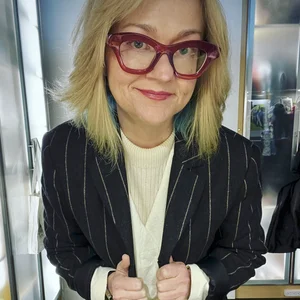
No Shadows Allowed
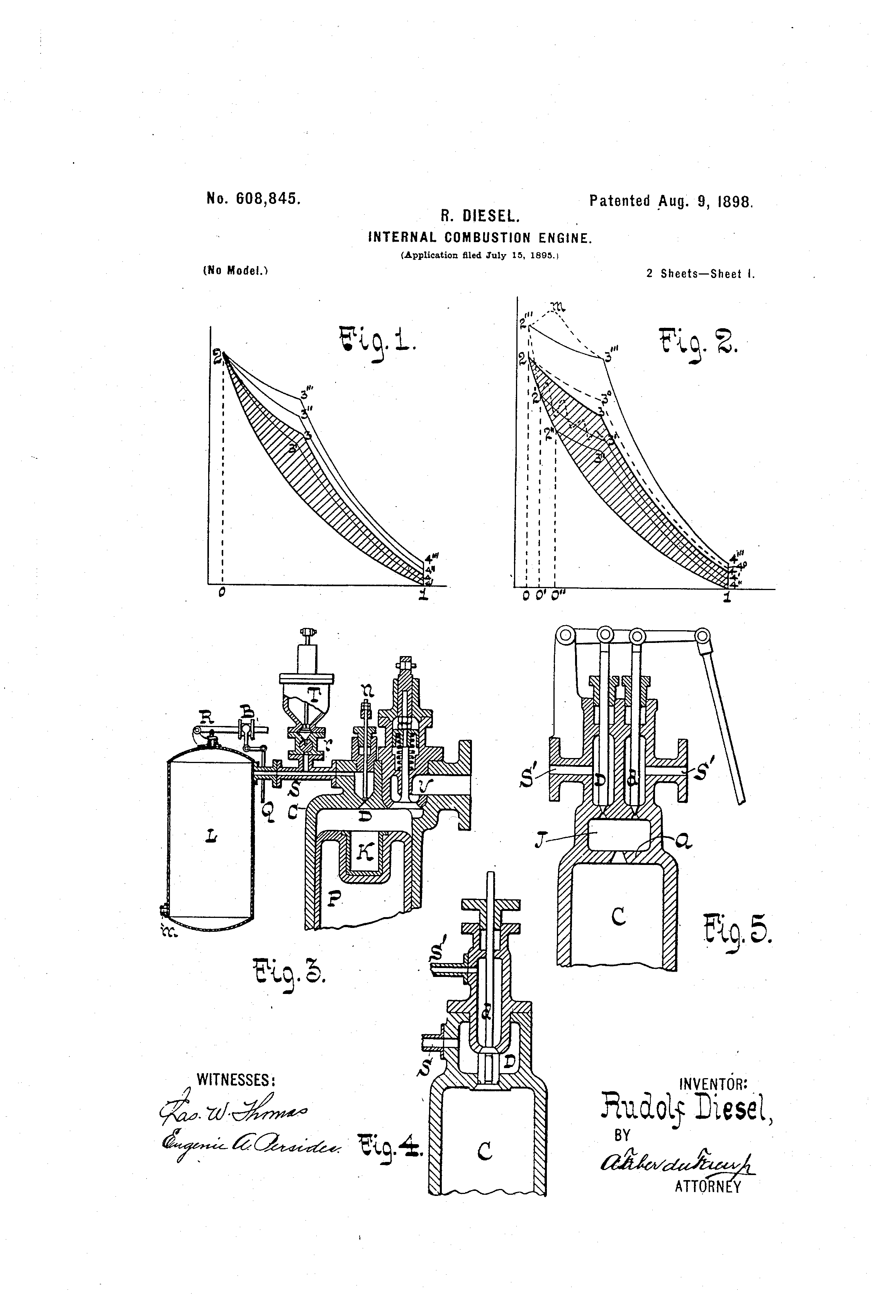
There are rules. There have always been rules.
The United States Patent and Trademark Office has strong opinions about how an invention should appear on paper, and those opinions have held steady for longer than most of the technologies they govern. When Rudolf Diesel submitted drawings for his engine in 1898, the requirements were already in place: black lines, white background, no shadows.
No shadows—the kind that give a thing depth, that let it feel like it belongs to the same world we do—are not permitted. Every element must be labeled. Every number must correspond. There is a correct way to draw an arrow, a correct way to open something up and show its workings. A correct way, it sometimes seems, to render the world without ever letting it fully become itself.
This is the world I work in.
You have probably never thought about it. Most people haven’t.
I did not set out to become a patent illustrator. It is not the sort of career that appears on a list somewhere between dental hygienist and actuary. It is the kind you arrive at sideways—because someone you love is having a problem, and you happen to be standing nearby with a useful set of skills and more confidence than the moment strictly requires.
In my case, that someone was my husband. The problem was an illustration vendor who kept making mistakes. The skills were graphic design and a stubborn eye for detail. The confidence was mine entirely.
“I can do that,” I told him.
He looked at me the way people do when someone has just volunteered to rewire the house.
As it turns out, I could. I have been doing it for twenty-eight years.
The inventions I illustrate are rarely simple. They are not better mousetraps or improved umbrellas. They are components of technologies developed in places most of us will never see, by people solving problems we don’t yet know we have. I have drawn parts of computers, televisions, printers, phones, cameras, microscopes, and satellites. I have illustrated medical devices and military equipment. I have spent decades translating complex ideas into precise black lines on a white page—every element numbered, every relationship accounted for.
There are things I have drawn that I would not know how to explain at a dinner party, even if I were allowed to try.
Every so often, I am asked to draw people. These are my favorite assignments.
As line drawings, the people are necessarily simplified—reduced to posture and proportion, gesture and outline. When I first started, my default figure read as male. Nondescript, unmarked, and male, the way default things often are.
I changed that.
A sample of some of the illustrations I've done over the years:
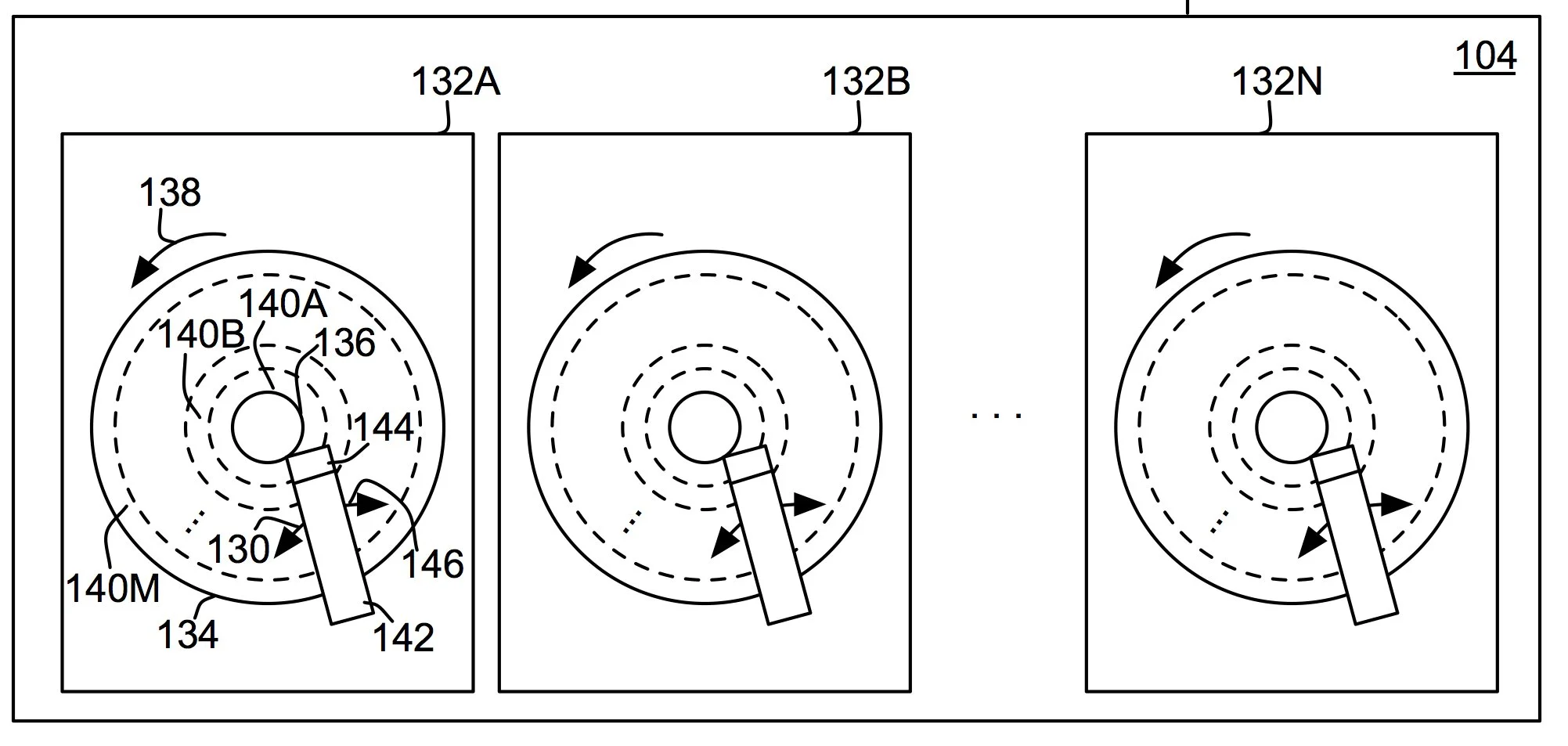
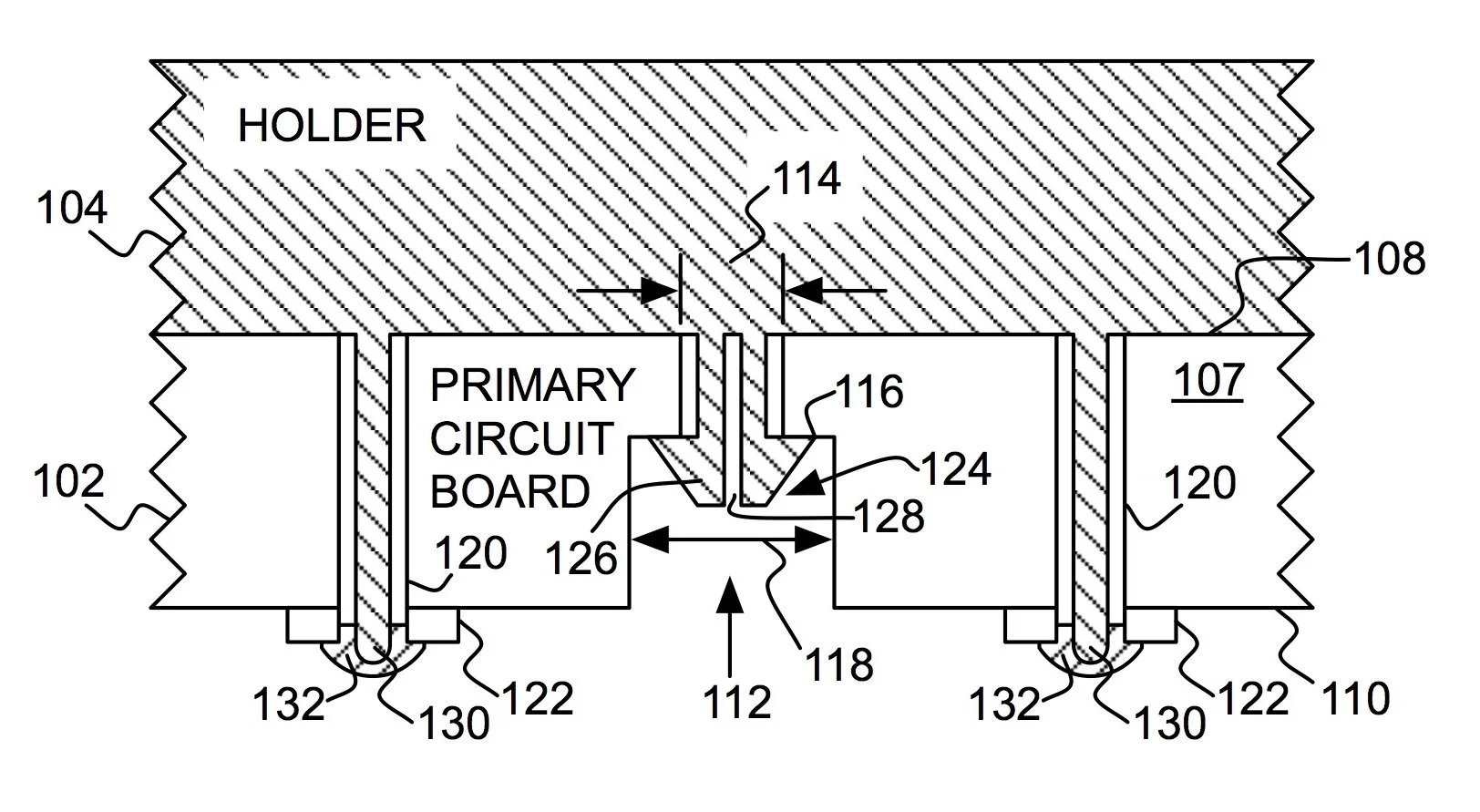
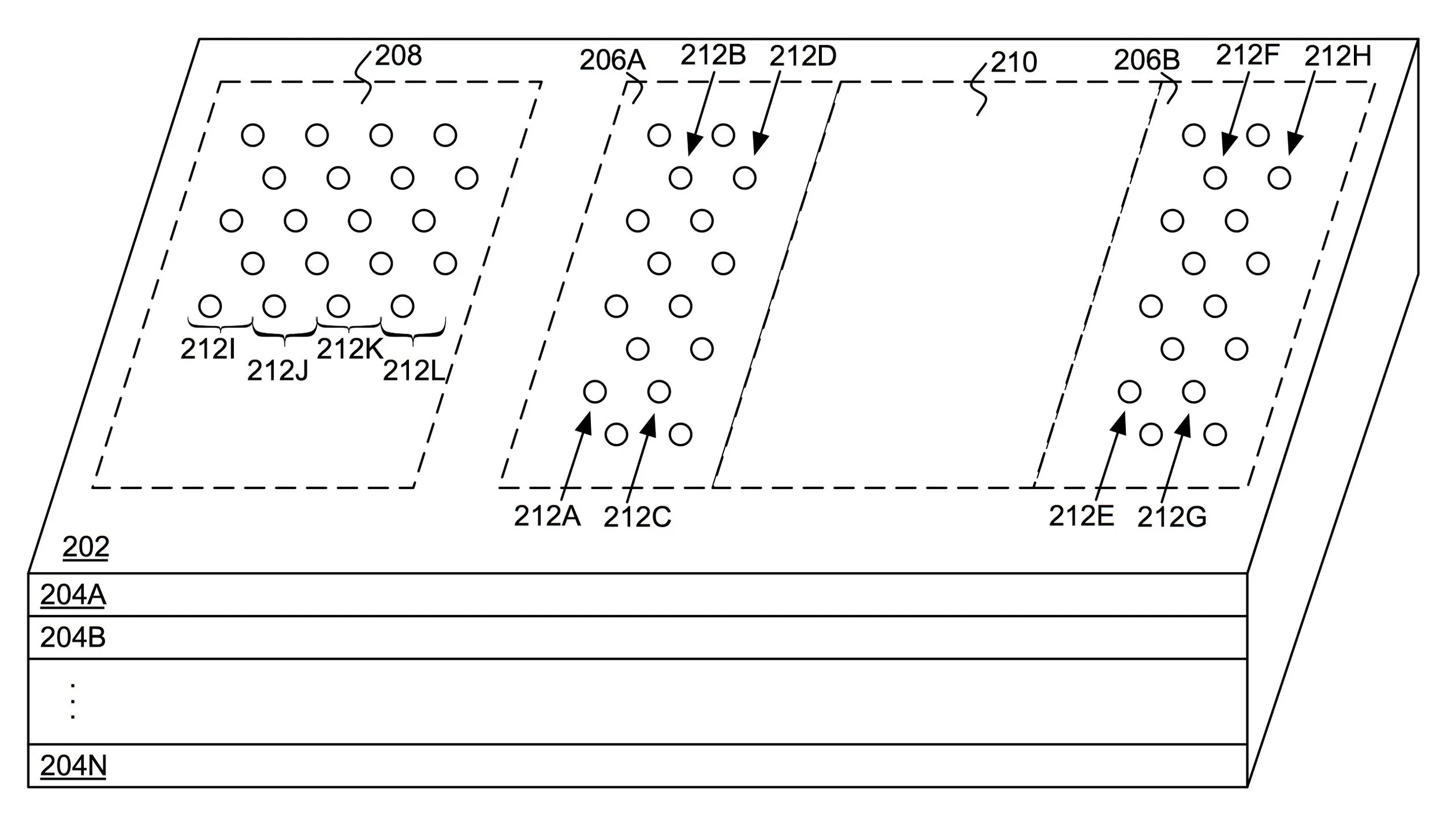
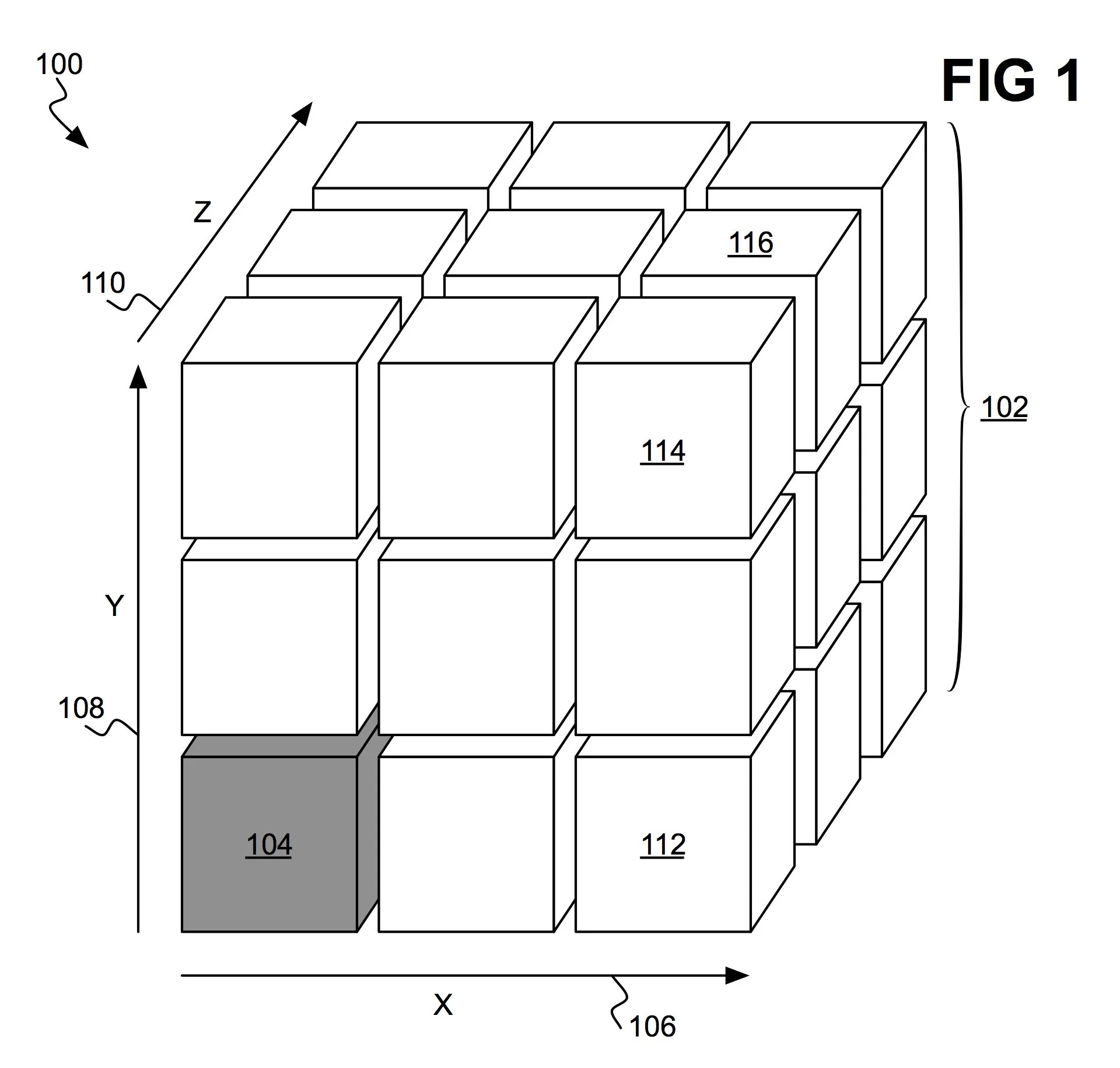
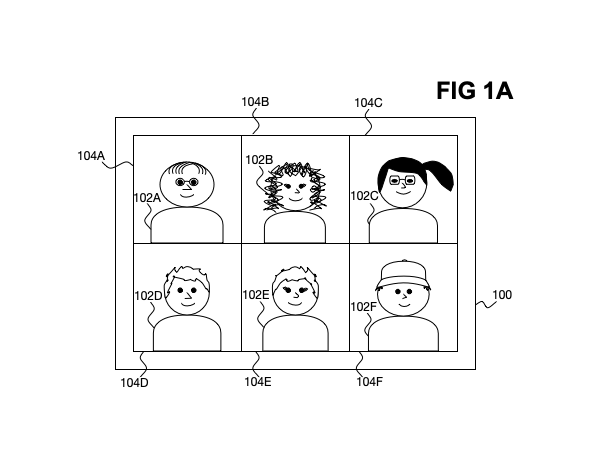
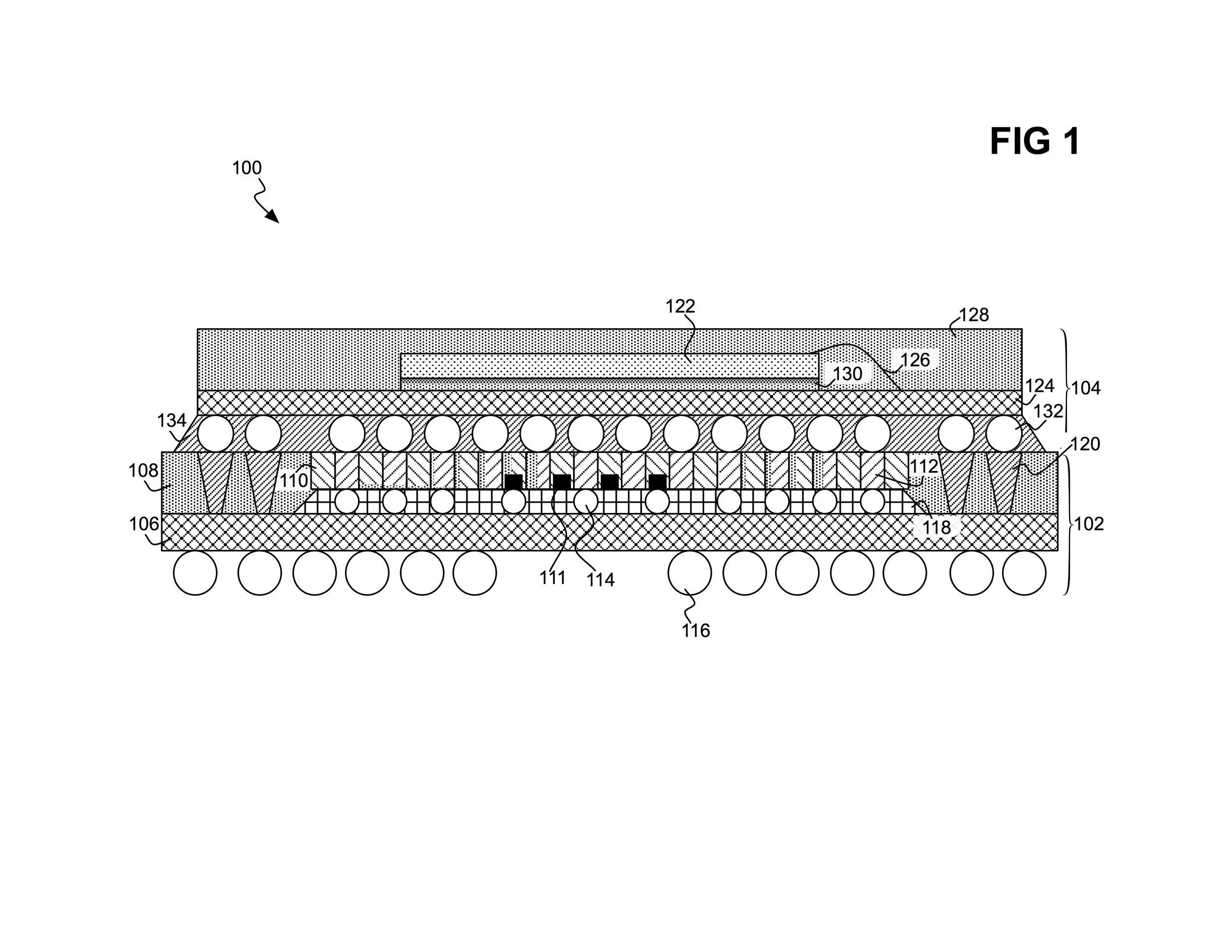
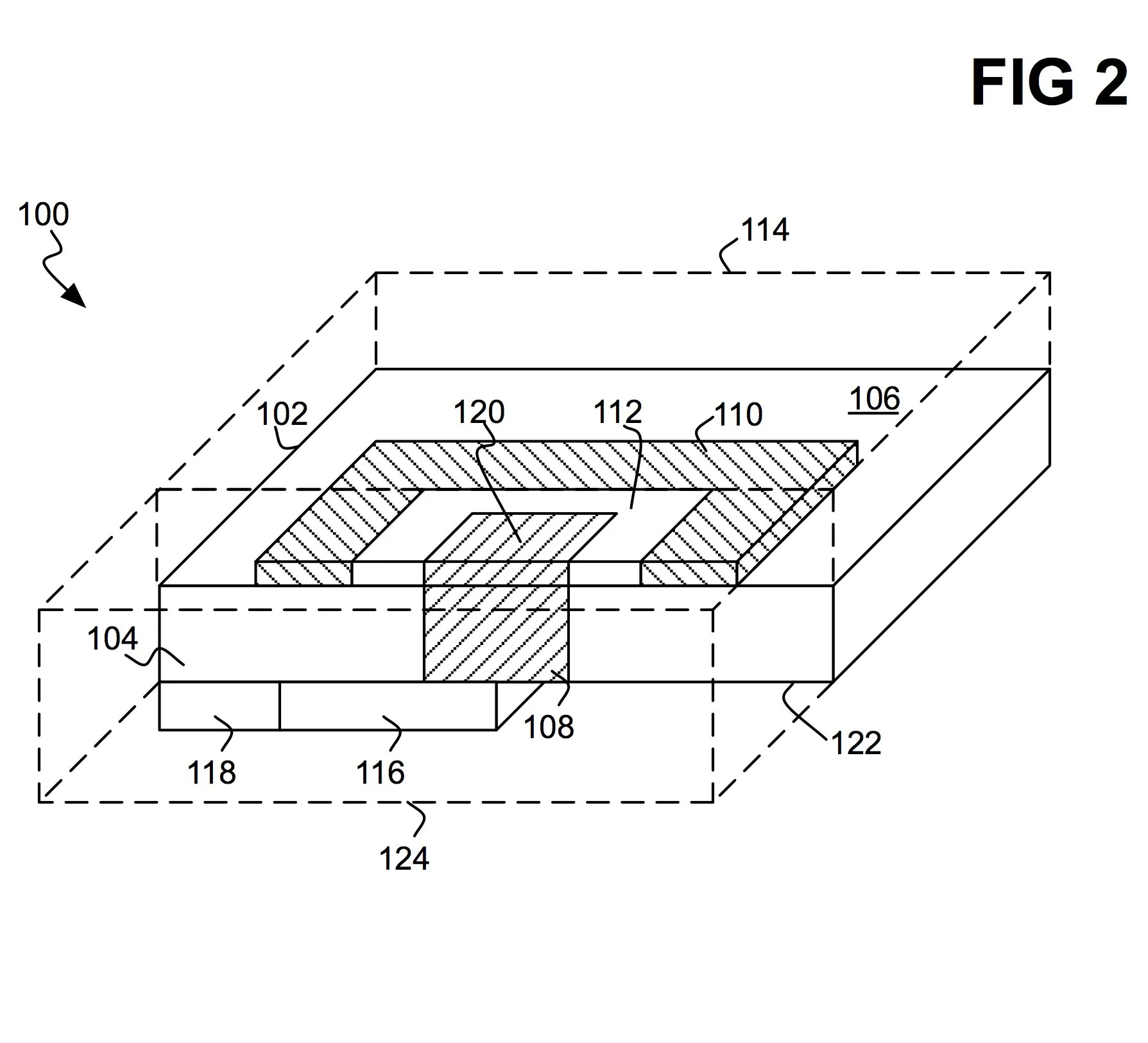
Now my drawings include women. They stand, sit, gesture, interact with the invention the same way any person might. It is a small correction, but one that matters to me. Women exist. Women invent things. It seems worth reflecting that, even in a world where shadows are not allowed.
Rudolf Diesel did not draw people. His illustrations are all mechanism—pistons, cylinders, valves—laid out with the clarity of someone who has seen something whole and is determined to make it visible to others. There is a kind of quiet persistence in those drawings. More than a century later, the same rules still apply. The lines are still black. The background is still white.
He would recognize the work.
Over the years, I have learned that explaining what I do tends to follow a familiar rhythm.
At first, there is a pause. The words land, but do not quite assemble themselves into meaning. I can see it happening—the moment where “patent illustrator” arrives and then slips, just slightly, out of reach.
Then something shifts.
When I explain that I draw how inventions work so they can be understood and evaluated, people lean in. Almost everyone knows someone with an idea—often a brother, sometimes a friend—who is certain they are on the verge of something important. For a moment, I become part of that possibility. A bridge between the idea and whatever future it might become.
It is a hopeful place to stand, even briefly.
Eventually, the conversation turns. The practical realities of patents—the time, the cost, the process itself—find their way in. The energy settles. The imagined future recedes a little, replaced by something more grounded.
I have never had the heart to mention that my name does not appear on any of the patents I help bring into the world.
That is not how it works.
The inventor is named. The attorney is credited. The drawings are simply there—necessary, precise, and largely unnoticed. Like punctuation. You would recognize immediately if it were wrong. If it is right, it disappears into the structure of the thing.
For most of my career, that has been enough.
Once, though, a client asked whether they could pay me separately from what they were paying my husband. They wanted to be sure my work was valued, they said.
I have carried that moment with me ever since.
Not because of the money—it was never about that—but because someone saw the work for what it was. Not incidental. Not assumed. Seen.
The rules, meanwhile, remain unchanged. The lines are still black. The background is still white. Somewhere in Washington, D.C., an examiner is looking at a drawing right now, checking the numbers, tracing the relationships, making sure everything aligns with the written description.
They will not know my name. They will not need to.
The drawing will be clear. It will do its job. It will be enough.
And yet, the work itself is shifting.
The same technologies I have spent decades illustrating—the systems, the components, the intricate relationships between parts—are beginning to reshape how the work is done. My husband now writes AI prompts that stretch for pages, building tools that seemed improbable not long ago. The Patent Office, I am told, is paying attention.
Even the most stable systems, given enough time, begin to change.
I am paying attention too.
I have been doing this work for twenty-eight years, long before anyone thought to call it remote work, long before anyone thought to ask what the illustrator might see from her side of the page.
Whatever comes next, I expect I will meet it the same way I began—standing nearby, with a set of skills that seem to apply, and a willingness to try before I know exactly how it will turn out.
It has served me well so far.